
Prepare Sites for Construction or Farming
Land Clearing in Honea Path for Residential Lots, Commercial Development, and Agricultural Conversion
Raw land covered in trees, brush, and uneven terrain cannot support building foundations or equipment operation until vegetation is removed and the surface is graded to stable, accessible conditions. Properties ranging from single residential lots to multi-acre commercial tracts require clearing before construction staking, utility installation, or farming equipment can enter the site. CTM Handy Home Services prepares properties across Honea Path by removing vegetation, processing debris, and grading surfaces to specifications that support the next phase of development.
Land clearing involves more than cutting down trees. The process includes removing stumps and root systems that interfere with grading, processing brush into manageable material, and establishing drainage patterns that prevent water from pooling in low areas. Efficient equipment reduces the time required to transition from overgrown acreage to construction-ready parcels, and careful planning identifies the most cost-effective sequence of work based on soil type, vegetation density, and intended use.
Request a customized estimate to review your property's clearing requirements and timeline.
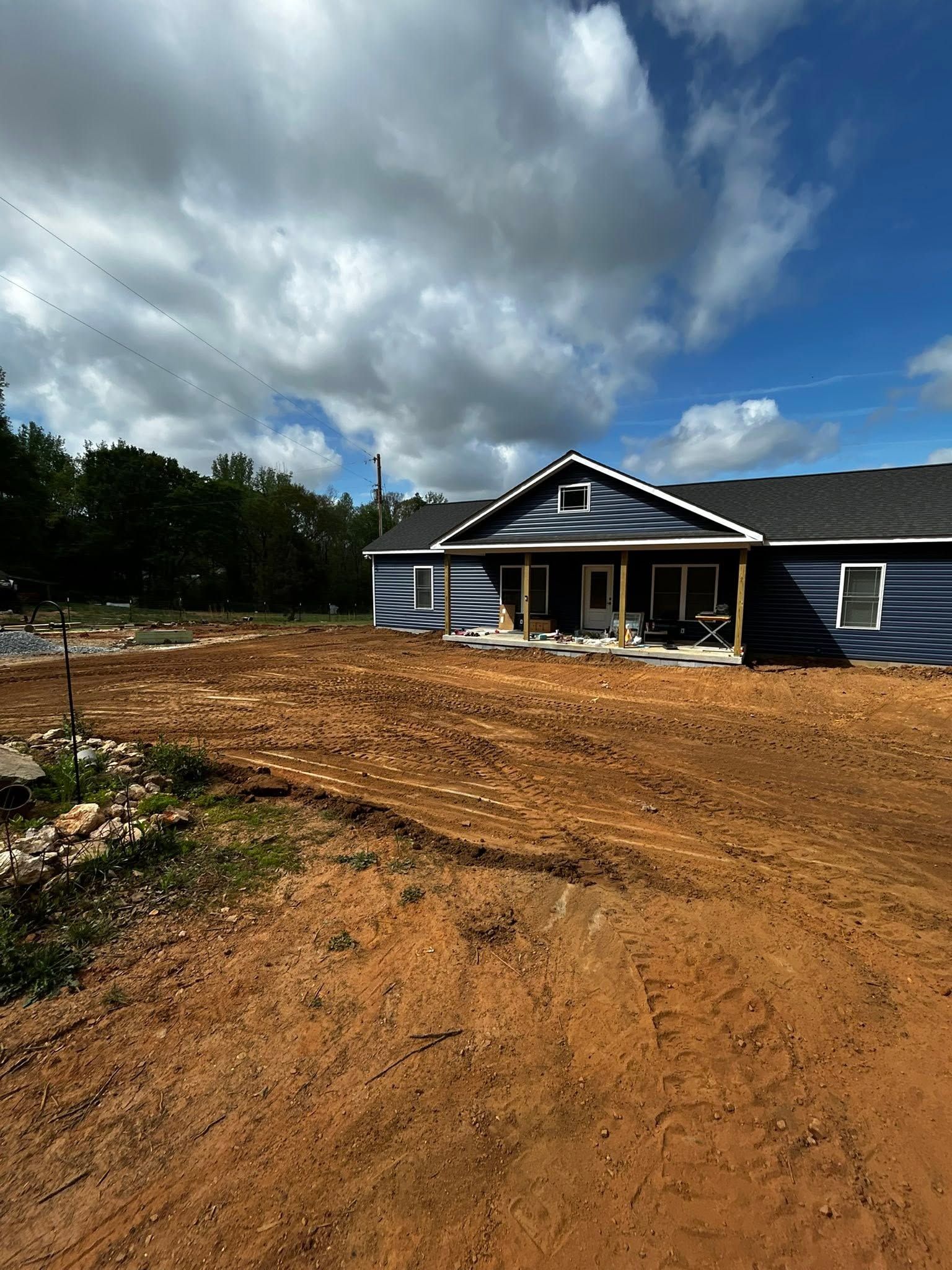
What Complete Site Preparation Delivers
Projects commonly begin around fifteen thousand dollars, though every property is evaluated individually to identify the most cost-effective solution. Acreage, tree size, stump quantity, grading complexity, and debris disposal all influence final project pricing. Properties with dense hardwood growth or significant elevation changes require more equipment time than flat lots with primarily brush and saplings.
Once clearing completes, you see defined boundaries, level building pads, and accessible terrain ready for foundation work or equipment movement. Graded surfaces drain predictably rather than creating standing water that delays construction or damages newly installed materials. Properties prepared this way transition directly into utility trenching, driveway installation, or farming operations without waiting for additional site work or encountering hidden obstacles that stall progress.
Residential clearing typically focuses on home sites, septic field areas, and driveway corridors while preserving perimeter tree buffers that provide privacy and reduce erosion. Commercial projects often require full-parcel clearing to accommodate buildings, parking areas, stormwater detention, and utility easements. Agricultural conversion removes tree cover from former woodland to create pasture or crop acreage, often incorporating fence line clearing and access route development as part of the same project.

Common Questions About Land Clearing Projects
Property owners preparing undeveloped land often need to understand what clearing includes, how long projects take, and what factors drive cost differences between similar-sized parcels.
What does complete site preparation include?
Clearing removes all vegetation, stumps, and root masses from designated areas, followed by rough grading to establish drainage patterns and level building pads. Debris is either processed on-site or hauled away depending on project specifications and local disposal options.
How long does land clearing take for residential lots?
Single-lot residential clearing typically requires two to five days depending on tree density, stump removal needs, and grading complexity. Properties with challenging access or extensive brush may require additional time to avoid equipment damage or incomplete debris removal.
Why does clearing cost vary between properties of similar size?
Tree diameter, stump quantity, soil composition, slope percentage, and distance to debris disposal sites all affect equipment hours and labor requirements. A flat two-acre lot with primarily pine saplings clears faster and costs less than a two-acre hillside covered in mature hardwoods with extensive root systems.
When is the best time to clear land in Honea Path?
Fall and winter provide the driest soil conditions, reducing equipment rutting and allowing faster progress across the site. Spring clearing is possible but may encounter wet ground that slows equipment movement, while summer heat increases operator fatigue and equipment stress during extended projects.
What permits are required for land clearing?
Requirements vary by parcel size, proximity to wetlands, and local zoning regulations. Properties near streams or designated conservation areas often require erosion control plans or environmental assessments before clearing begins, while most upland residential lots proceed without additional permitting beyond standard building approvals.
CTM Handy Home Services evaluates every property individually to recommend the most efficient clearing approach for your intended use. Call (864) 979-1543 to discuss your project and schedule a site visit for detailed pricing based on current conditions.