Structures Removed Without Damaging Surrounding Property
Demolition Services in Honea Path for buildings, interiors, and concrete that need safe removal
CTM Handy Home Services handles demolition for small to medium-sized structures, interior tear-outs, asphalt removal, and concrete breaking across Honea Path and nearby communities in South Carolina. You need this service when a structure has reached the end of its useful life, when interior spaces require complete reconfiguration before renovation, or when hardscaping materials must be cleared for new construction. Planning determines which utilities require disconnection, what sequence prevents structural collapse during removal, and how debris gets sorted for responsible disposal.
The service involves controlled dismantling that protects adjacent buildings, landscaping, and underground utilities while removing targeted materials. Equipment selection depends on structure size, material type, and site access constraints, with concrete requiring hydraulic breakers and structures needing excavators with shear attachments. Debris removal happens continuously throughout the project to maintain safe working conditions and prevent material from migrating across your property.
Schedule a site visit to review the structure, discuss access routes, and receive a detailed demolition estimate.
What Proper Demolition Actually Requires
Careful planning identifies structural support points, utility shutoff locations, and the safest sequence for material removal. You see operators working methodically from top to bottom on structures, removing roofing and framing before foundation work begins, which prevents uncontrolled collapse and keeps debris contained to the work zone. Interior demolition follows a similar logic, with non-load-bearing walls removed before addressing structural elements.
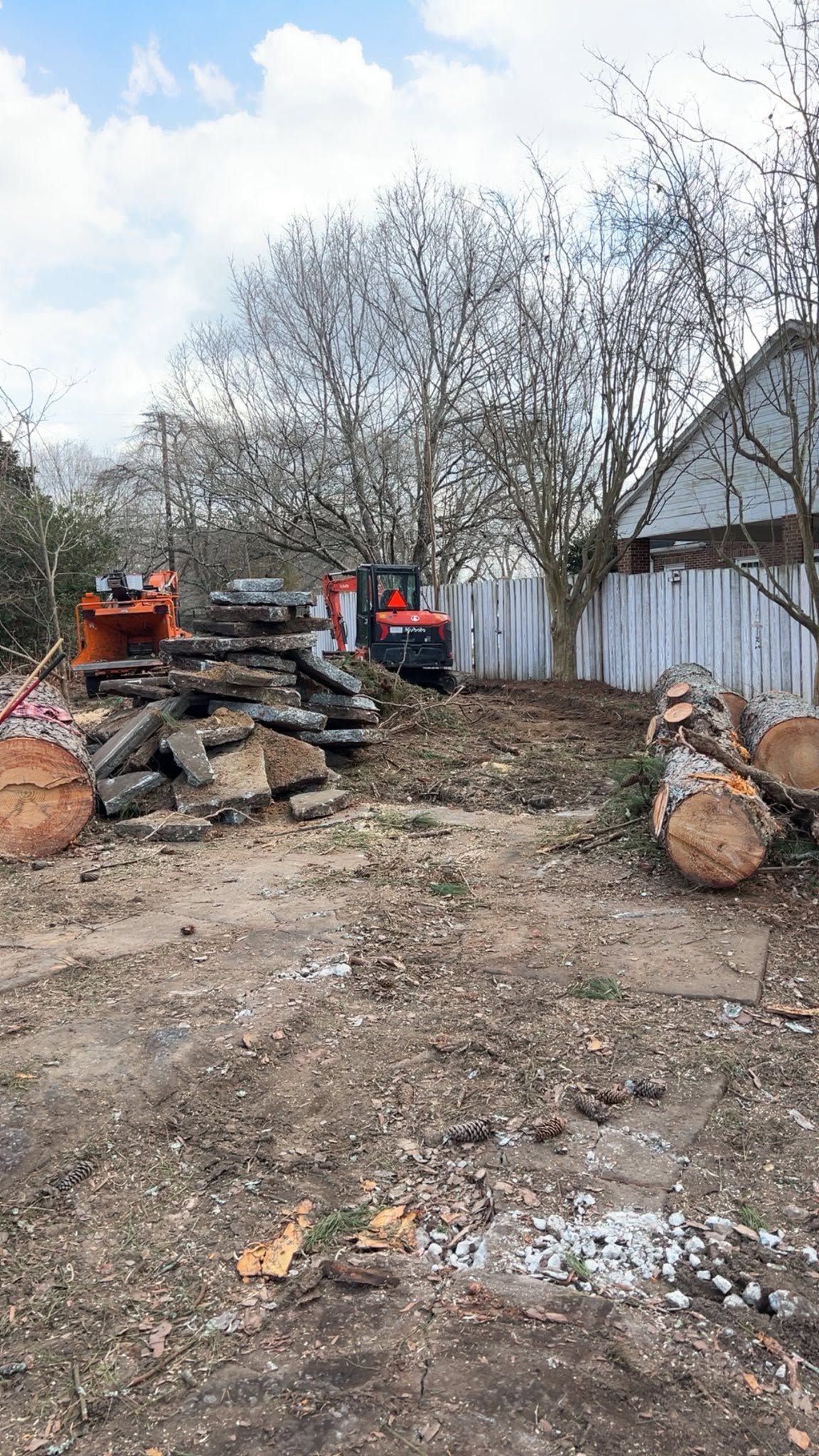
After demolition finishes, you notice the site cleared to grade level, debris hauled away, and the ground ready for grading or new construction. CTM Handy Home Services sorts materials during removal, separating metal, wood, concrete, and asphalt for appropriate disposal or recycling. The difference between controlled demolition and simple tearing down shows in what remains—a clean, level surface without buried debris, protruding rebar, or scattered fragments that interfere with future work.
Insured service protects you from liability during demolition operations, which involve heavy equipment, falling materials, and dynamic loads that shift as structures come apart. Site preparation after debris removal may include filling voids left by foundation removal, compacting disturbed soil, or rough grading to establish drainage patterns. The extent of post-demolition work depends on what you're building next and what the site conditions require for stable construction.

Questions Property Owners Ask Before Demolition
Demolition projects raise practical concerns about timing, site protection, and what happens to materials once they're removed.
What needs to happen before demolition starts?
Utilities must be disconnected by the respective providers, permits obtained if required by local regulations, and the site assessed for hazardous materials like asbestos in older structures before any physical work begins.
How is debris removed from properties with limited access?
Equipment size adjusts to match access routes, with smaller machines used when driveways or gates restrict entry, though this may extend project duration compared to sites with open access for full-sized loaders and dump trucks.
What happens to concrete and asphalt after removal?
Broken concrete and asphalt typically go to recycling facilities where it's crushed for use as base material in new construction, reducing landfill waste while providing a secondary use for the material.
When should demolition be scheduled relative to new construction?
Demolition happens after design and permitting for new work are complete but before site grading begins, ensuring the site is clear when grading equipment arrives and preventing delays in the construction sequence.
How does weather in Honea Path affect demolition scheduling?
Heavy rain creates mud that bogs down equipment and makes debris removal difficult, so scheduling during drier periods prevents site damage and keeps projects moving efficiently without excessive cleanup costs.
CTM Handy Home Services uses dependable equipment maintained for safe operation during demolition projects of varying size and complexity. Request a free estimate that includes site assessment, debris removal plans, and a timeline based on your property's specific conditions and access characteristics.